 0
0

Overview
Reliability Testing
The IEC 60603-7 standard defines a comprehensive reliability test program for network modular connectors (RJ45 connectors). The qualification process is structured around distinct test groups, each assessing the connector’s performance under specific environmental, mechanical, and electrical stresses. These test groups are mandatory for ensuring that connectors can withstand real-world conditions and maintain reliable electrical performance, as required by system standards like ISO/IEC 11801.
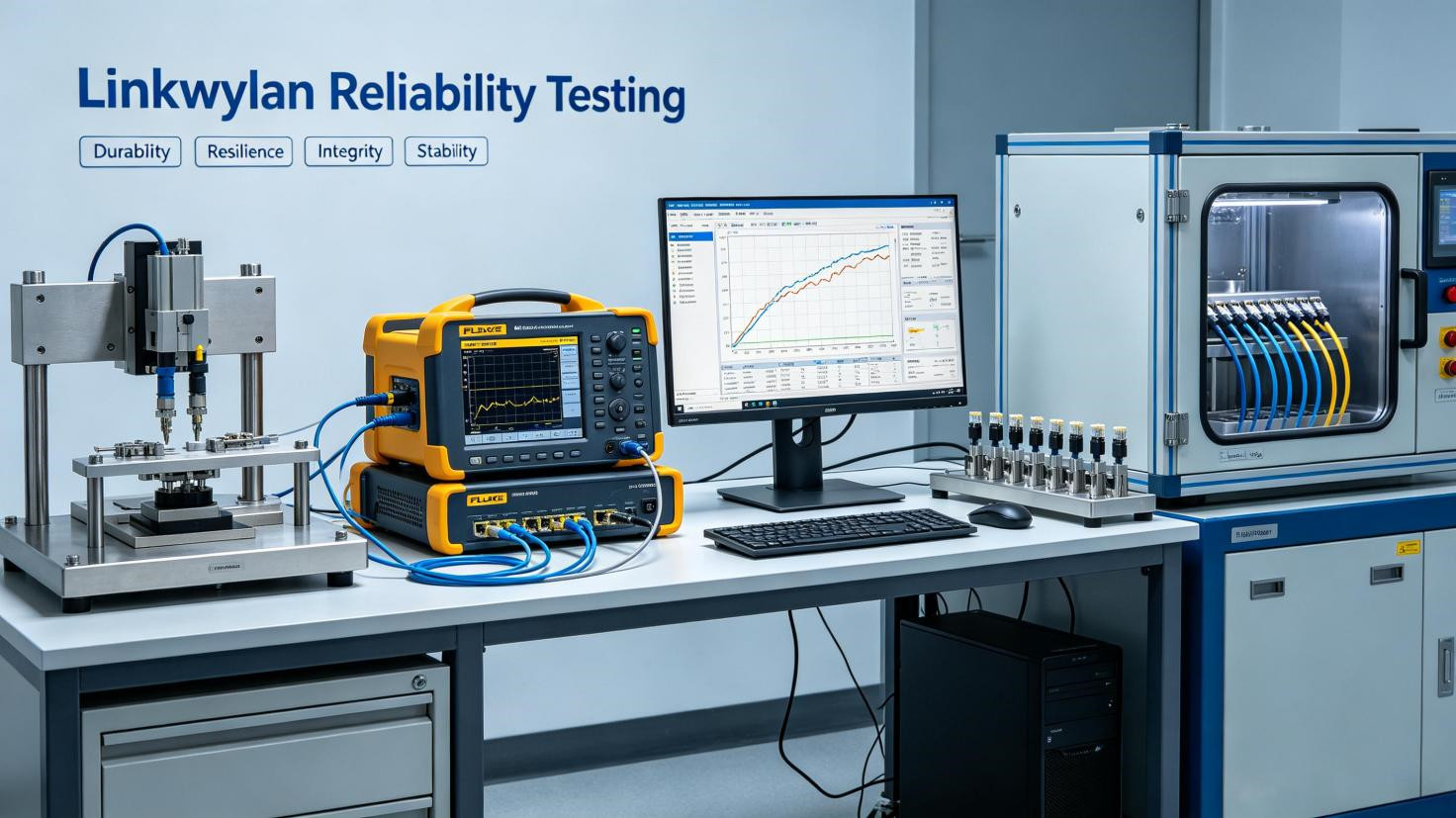
Ensuring long-term reliability is a core part of Linkwylan’s testing regime. Their in-house team and advanced testing equipment are used to simulate various usage conditions. While the provided search results do not list every specific reliability test Linkwylan performs, industry standards for comprehensive testing—which Linkwylan is expected to meet—typically include the following:
-
Mechanical Durability
This includes insertion/withdrawal durability testing to verify the physical endurance of connectors over repeated use.
-
Environmental Resilience
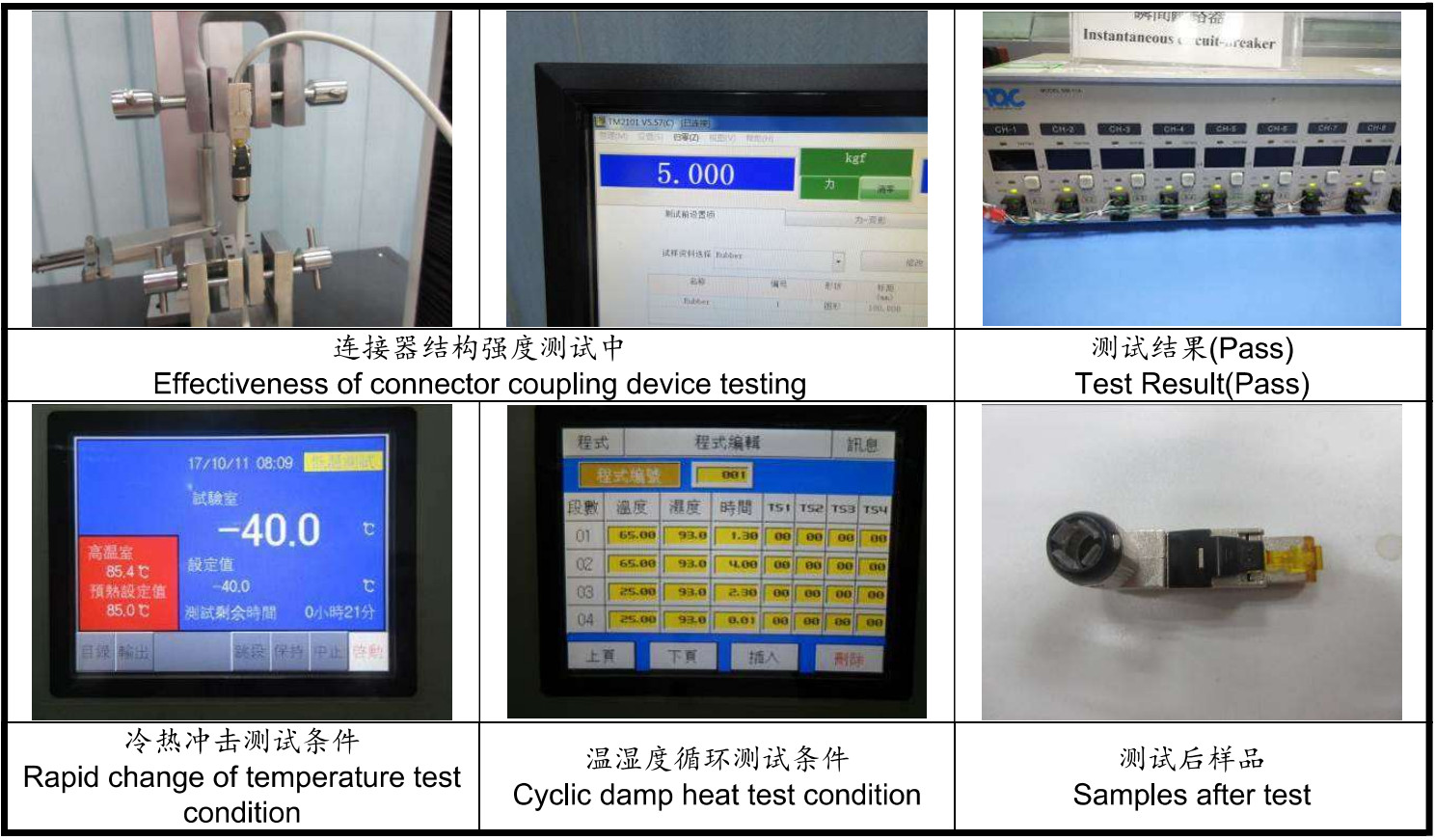
Components are subjected to tests like temperature cycling (e.g., -20°C to 75°C operating range for their Cat8 cables), humidity exposure, and salt spray to assess performance in various environmental conditions.
-
Connector Integrity
Testing is performed on the strength of IDC (Insulation-Displacement Connection) terminals and the insertion force of modular plugs to guarantee a secure and lasting physical connection.
IEC 60603-7 Qualification
Key Test Groups and Requirements
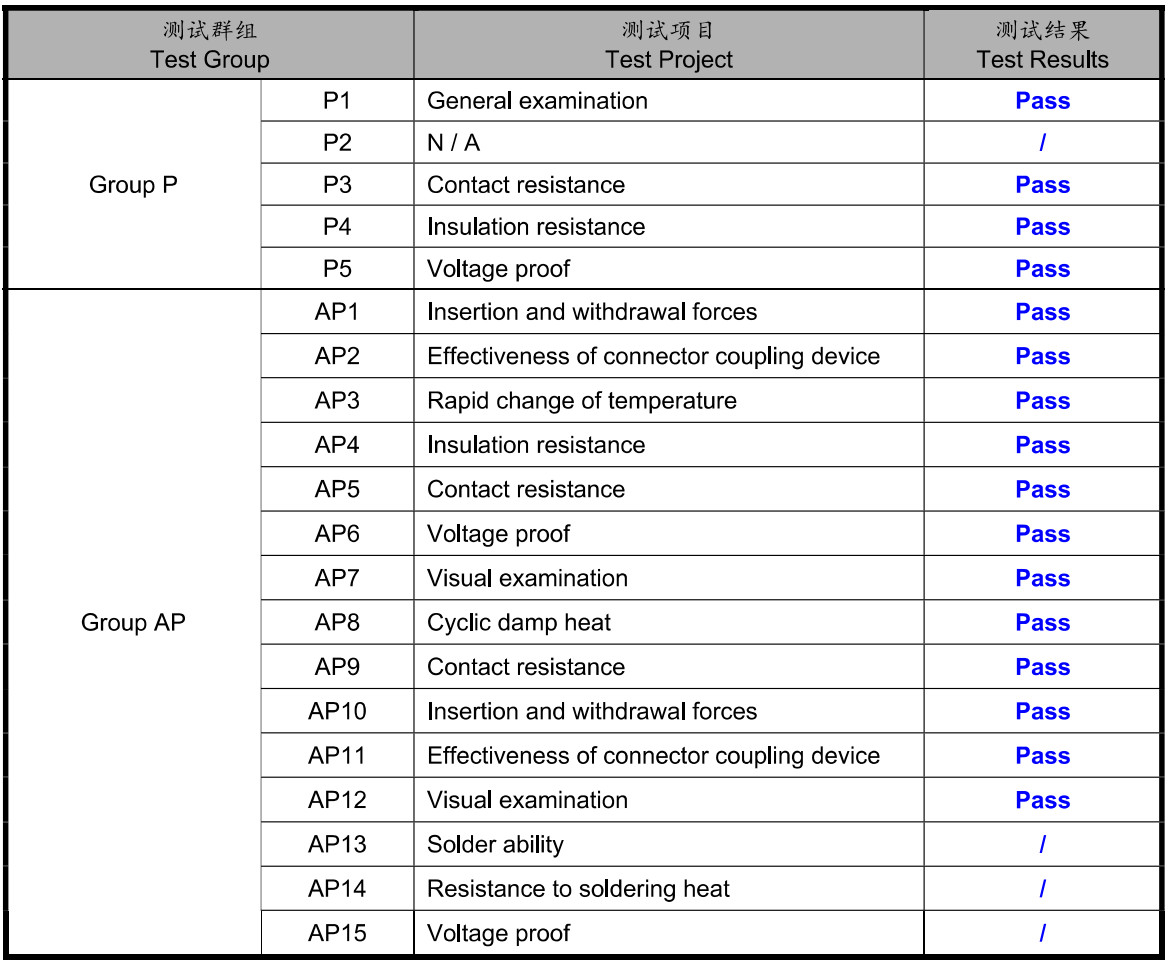
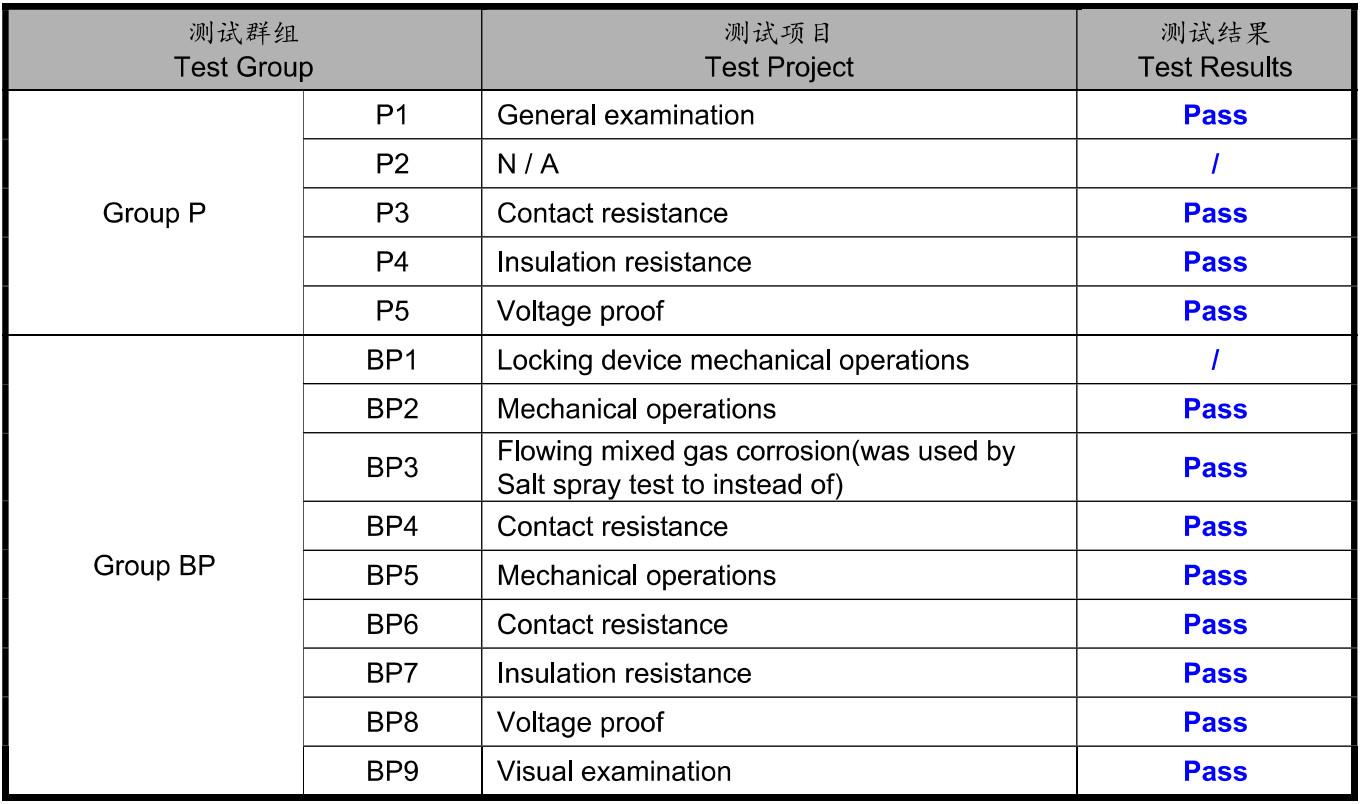
The most relevant test groups for reliability evaluation are AP (environmental/climatic), BP (mechanical/corrosion), and CP (vibration). The table below summarizes the critical tests and pass/fail criteria from a certified connector test report:
Test Group AP – Environmental & Climatic
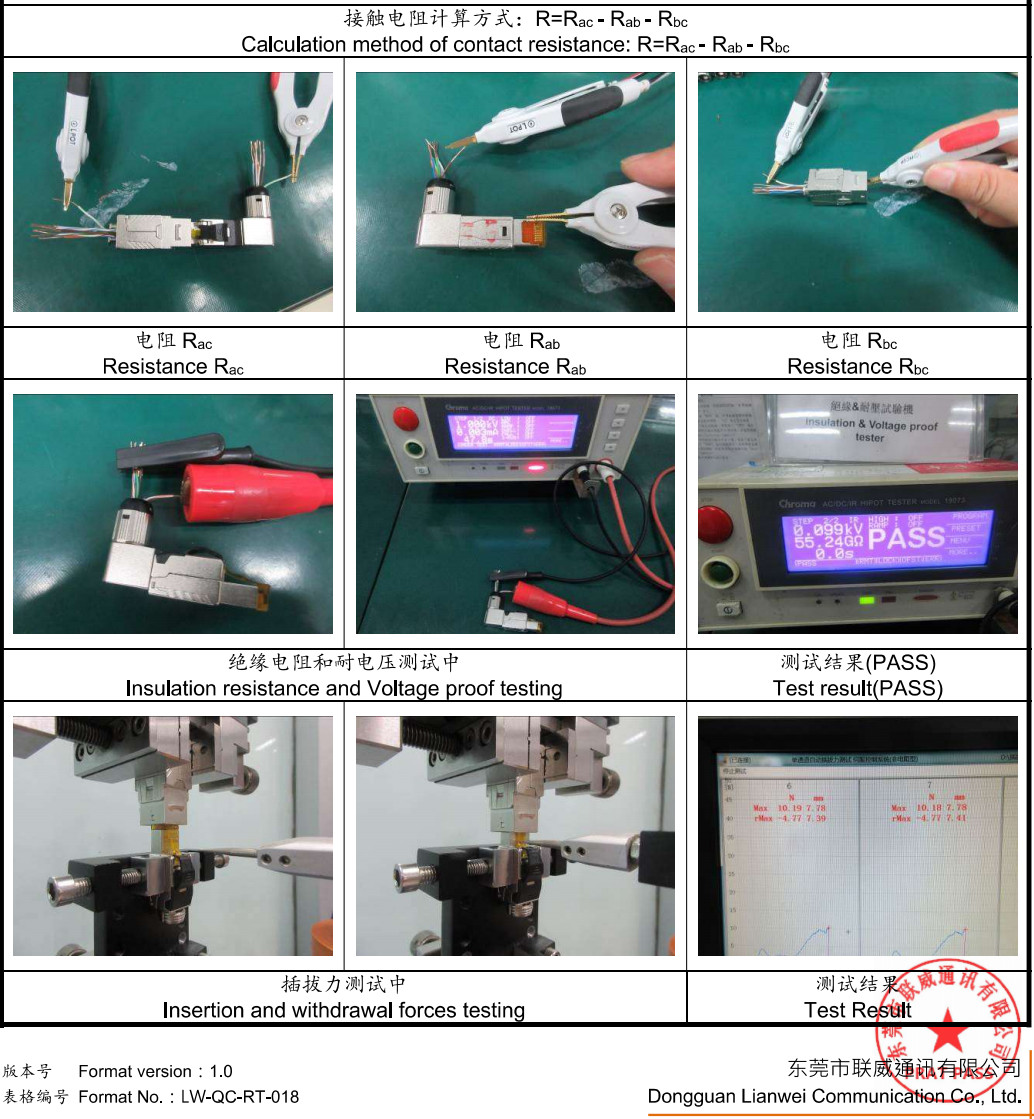
- Contact Resistance (AP9): Change from initial ≤ 20mΩ
- Voltage Proof (AP6, AP15): No breakdown at 1000 VDC
- Insulation Resistance (AP4): ≥ 500MΩ
- Insertion/Withdrawal Force (AP10): ≤ 20N max
- Coupling Device Effectiveness (AP11): 50N force, no discontinuity
Test Group BP – Mechanical & Corrosion
- Mechanical Operation (BP2, BP5): 1250 mating cycles
- Contact Resistance (BP4, BP6): Change from initial ≤ 20mΩ
- Flowing Mixed Gas Corrosion (BP3): Exposes contacts to corrosive gases
- Insulation Resistance (BP7): ≥ 500MΩ
- Voltage Proof (BP8): No breakdown at 1000 VDC
Test Group CP – Vibration
- Vibration (CP1): Contact disturbance ≤ 10µs maximum
- Contact Resistance (CP2): Change from initial ≤ 20mΩ
- Insulation Resistance (CP3): ≥ 500MΩ
Additional Considerations
A core reliability requirement is that contact resistance must not change by more than 20mΩ from its initial value after any environmental or mechanical stress test. This is a key indicator of a durable and reliable connection.
Beyond these reliability groups, the standard also references performance tests for transmission characteristics. These are detailed in IEC 60512-26-100 and include measurements for insertion loss, return loss, and crosstalk (NEXT/FEXT).
The latest version, IEC 60603-7:2020, updated the parent specification for the connector family and includes new test groups (EP and FP) to provide more detailed referencing for specific product variants.
IEC 60603-7 serves as the foundation for the entire 60603-7-x series. Detail specifications (e.g., -7-1 for shielded connectors) build upon these common test schedules.